What is Online Marketing – A Detailed Guide
Online marketing has become vital to any business strategy in today's digital age. However, with so many channels and techniques available, it can be challenging to understand exactly what online marketing entails.
What is Online Marketing?
Online marketing, also known as digital marketing, refers to any marketing activity on the Internet. It includes various tactics, including search engine optimization (SEO), social media marketing, email marketing, pay-per-click (PPC) advertising, and content marketing.
Online marketing aims to reach and engage potential customers through digital channels. By leveraging the power of the Internet, businesses can connect with their target audience in previously impossible ways, and drive traffic, leads, and sales to their website.
Why is Online Marketing Important?
The rise of the Internet and mobile devices has transformed how people consume information and interact with brands. Consumers are increasingly turning to the Internet to research products and services before purchasing. Studies have shown that over 90% of consumers use search engines to research products and services before deciding.
This shift in consumer behaviour has made online marketing essential for businesses of all sizes. By leveraging the power of digital channels, businesses can reach potential customers at every stage of the buying journey, from awareness to consideration to conversion.
Online Marketing Techniques and Tools
Various online marketing techniques and tools are available, each with unique benefits and drawbacks. Some of the most common include:
Search Engine Optimization (SEO)
Optimizing your website for relevant keywords and improving the user experience can attract organic traffic and increase your visibility in search engine results.
There are two types of SEO – On page SEO and off-page SEO
On-page SEO refers to the techniques and strategies used to optimize a website's content and structure for search engines. It includes optimizing page titles, meta descriptions, heading tags, and content for targeted keywords and improving site speed, mobile responsiveness, and user experience. On-page SEO is critical in improving a website's visibility in search engine results pages and driving organic traffic.
On the other hand, off-page SEO refers to the techniques and strategies used to improve a website's authority and credibility through external factors. It includes link building, social media marketing, guest blogging, and online reputation management. Off-page SEO is essential for building trust and authority with search engines and improving a website's overall search engine rankings.
Now it Is time to dive into each of the types of SEO:
Generally, a high bounce rate might show that the page would be irrelevant or confusing to the site visitors. Still, you should not take drastic action, including deleting the page or undertaking the redesign. There are some steps you need to consider before figuring out which action to take. You must know that the bounce rate will tell you that someone has just landed on your website and they have just left you without visiting any other page.
On-Page SEO:
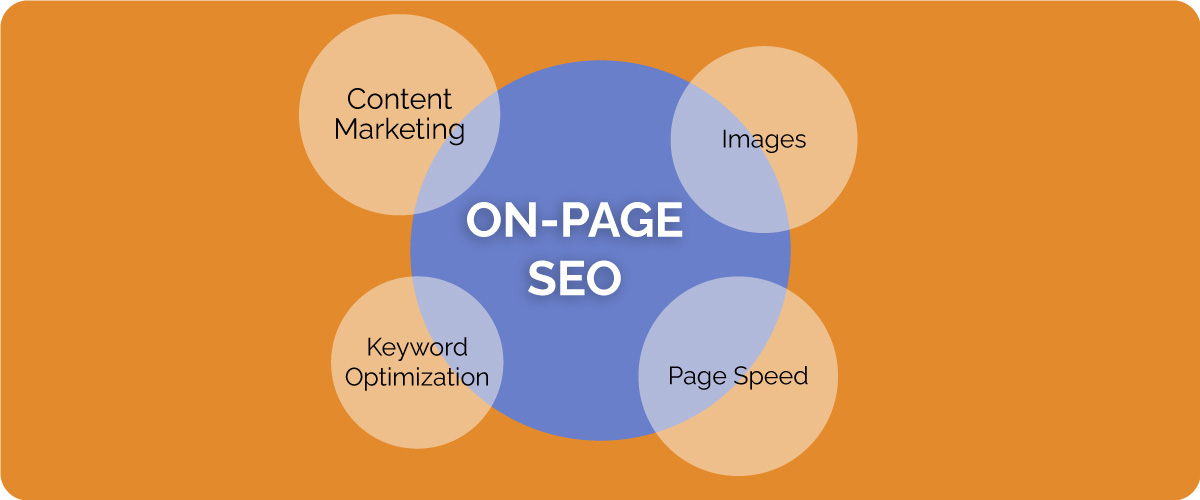
On-page SEO refers to the optimization techniques and strategies used on a website's pages to improve its visibility in search engine results pages (SERPs). Here's an example of how on-page SEO works:
You want to rank your article titled "10 Simple Exercises for Weight Loss" in search engine results pages for keywords like "weight loss exercises", "simple exercises for weight loss", and "best exercises to lose weight".
To optimize this page for on-page SEO, you would start by optimizing the page's title tag, meta description, and header tags to include the targeted keywords. For instance, the page's title tag could be "10 Simple Exercises for Weight Loss: Best Exercises to Lose Weight | YourBlog.com", and the meta description could be "Discover the best exercises for weight loss with our guide to 10 simple exercises for weight loss. Get fit and healthy with YourBlog.com".
Next, you would optimize the content on-page, including keywords, internal linking, and multimedia elements. It could include images, videos, and infographics related to the discussed exercises. In addition, you would make sure the page is mobile-friendly, has a fast loading speed, and provides a positive user experience. It could include optimizing the page's layout, using easy-to-read fonts, and ensuring the page is easy to navigate.
By following these on-page optimization techniques, you can increase the visibility of your article in search engine results pages and drive more organic traffic to your website.
Significant elements of On-Page SEO:
Crawl errors:
Crawl errors refer to the problems search engines encounter when attempting to crawl or access a website's pages. These errors can prevent search engines from indexing a website's pages and negatively impact its visibility in search engine results pages (SERPs).
One typical example of a crawl error is the "404 Not Found" error, which occurs when a page is deleted or moved without a redirect. When a search engine encounters a "404 Not Found" error, it assumes that the page no longer exists and removes it from its index.
Another example of a crawl error is the "500 Internal Server Error", which occurs when there is a problem with the server hosting a website. When a search engine encounters a "500 Internal Server Error", it cannot access the website's pages and may temporarily remove the site from its index until the issue is resolved.
Several types of crawl errors can affect a website's search engine rankings. These include:
Server errors occur when the search engine cannot access a website's pages due to server hosting issues. It can include "500 Internal Server Error" or "502 Bad Gateway" errors.
DNS errors: DNS errors occur when the search engine cannot access a website's pages due to issues with the domain name system (DNS) configuration. It can include "DNS lookup failed" errors.
Robots.txt errors: Robots.txt errors occur when the search engine cannot access a website's pages due to issues with the robots.txt file. It can include "blocked by robots.txt" errors.
Redirect errors occur when the search engine cannot follow a website's redirect instructions, and they can include "redirect chain" or "redirect loops" errors.
By monitoring and fixing crawl errors, website owners can ensure that their pages are accessible to search engines and that their site's visibility in search engine results pages is maximized.Keyword research
Keyword research identifies people's most relevant and popular search terms or phrases to search for information about a particular topic or industry. It is a critical component of search engine optimization (SEO) and content marketing as it helps businesses create content relevant to their target audience and optimized for search engines.
For example, you run a business that sells eco-friendly cleaning products. To conduct keyword research, you would use tools such as Google Keyword Planner, Ahrefs, or SEMrush to identify the most relevant and popular search terms related to eco-friendly cleaning products. These could include phrases such as "eco-friendly cleaning products," "green cleaning supplies," or "natural cleaning solutions."
Once you have identified these keywords, you can use them to optimize your website's content, including product descriptions, blog posts, and category pages. By incorporating these keywords into your content naturally and organically, you can improve your website's visibility in search engine results pages and attract more traffic.
Businesses should consider several types of keywords when conducting keyword research. These include:
Short-tail keywords: Short-tail keywords are one or two-word phrases that are broad and general, such as "cleaning products" or "eco-friendly." While these keywords have a high search volume, they are also highly competitive and may be challenging to rank for.
Long-tail keywords are longer, more specific phrases targeted to a particular niche or topic. For example, "best eco-friendly cleaning products for pets" or "natural cleaning solutions for hardwood floors." While these keywords have a lower search volume, they are less competitive and easier to rank for.
Branded keywords include the name of your brand or business, such as "ABC Eco-Cleaning" or "ABC Green Cleaning Supplies." These keywords are essential for building brand recognition and driving traffic to your website.-
Page speed optimization
A website's loading speed is essential to user experience, as slow-loading pages can result in increased bounce rates and decreased conversions. Additionally, page speed is a ranking factor for search engines, meaning faster-loading pages are more likely to rank higher in search engine results pages (SERPs).
Several factors can affect a website's page speed, including large images, excessive code, and server response time. To optimize a website's page speed, businesses can take several steps, including:
Minimizing image sizes: Large images can significantly slow a website's loading speed. Businesses can improve their page speed by optimizing images and compressing them to reduce their file size.
Enabling browser caching: Browser caching allows users' browsers to store some aspects of a website, such as images and CSS files, so they don't have to be downloaded every time the user visits the site.
Minimizing code: Excessive code, including HTML, CSS, and JavaScript, can slow down a website's loading speed. By minimizing code and removing unnecessary elements, businesses can improve page speed.
Using a content delivery network (CDN): A CDN is a network of servers in different geographic locations. By using a CDN, businesses can serve content to users from the closest server to them, which can significantly improve page speed.
For example - If your website has large, high-resolution images that take a long time to load, this could significantly impact your page speed. To optimize your page speed, compress your images and use a CDN to serve your images from the server closest to the user. -
Speed
On-page speed refers to the time it takes for the content on a single page to load fully, including all text, images, and other media. It differs from "Page Speed", which refers to the website's overall speed.
The speed of a page is crucial for user experience and SEO. Slow-loading pages can negatively impact user experience and increase bounce rates, hurting a website's ranking on search engine result pages (SERPs).
There are several ways to optimize on-page speed, including:
Minimizing HTTP requests: Reducing the number of HTTP requests required to load a page by optimizing images and other media or using CSS sprites can help to speed up the page load time.
Compressing files: Compressing HTML, CSS, and JavaScript files can reduce the size of the files, resulting in faster load times.
Enabling browser caching: When a user revisits a website, enabling browser caching can allow the browser to load the page more quickly by using saved data from the previous visit.
Minimizing redirects: Redirects can slow down page load time, so minimizing them can help improve on-page speed.
Here is an example to illustrate on-page speed optimization: Let's say a website has a page with several high-quality images, slowing down page load time. To optimize the page speed, the website owner could:
Compress the images to reduce their size without sacrificing image quality.
Use a lazy-loading plugin to load images only when visible on the screen.
Optimize the HTML and CSS code to reduce file size.
Minimize external scripts or plugins that could slow down the page load time.
By implementing these changes, the website owner could improve the on-page speed of the page, leading to a better user experience and potentially higher rankings on SERPs.
Types of Crawl Errors:
Crawl errors refer to issues when search engine bots attempt to crawl and index a website's pages. There are several types of crawl errors, including:
404 errors: This error occurs when a page on a website is not found, either because it has been deleted or the URL has been changed.
500 errors: This error occurs when a server-side issue prevents the page from being loaded.
Redirect errors occur when a redirect is improperly implemented, or the redirect chain is too long, leading to slow page load times or 404 errors.
URL errors occur when there are issues with the URLs of a website's pages, such as duplicate content or broken links.
By fixing these crawl errors, website owners can ensure that their pages are correctly indexed and improve their search engine rankings.
Off-Page SEO
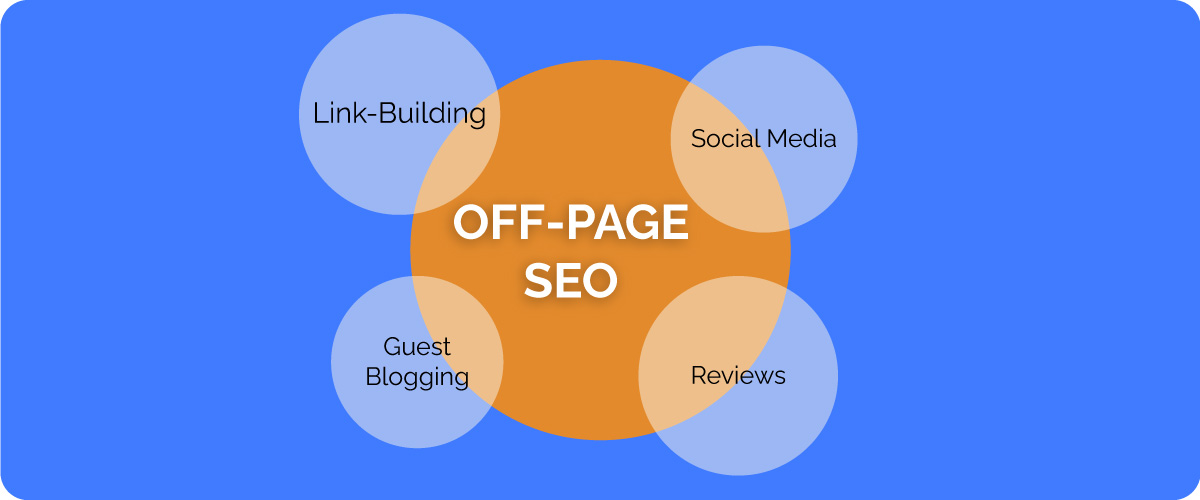 Off-page SEO is the art of optimizing your website through external means. Unlike on-page SEO, which involves changing your website, off-page SEO focuses on actions taken outside your website to increase your search engine rankings. In essence, it's about everything you do offsite to improve your website's authority and relevance in the eyes of Google.
There are several ways that off-page SEO can influence your website's ranking. From link building to social media promotion and content syndication, each activity can boost your website's off-page SEO.
Link Building: A Tried and Tested Technique
Link building is one of the most effective ways to boost off-page SEO. According to Ahrefs, link building is one of the top three Google ranking factors. Links from external websites to your site can boost your site's authority, relevance, and trustworthiness in the eyes of search engines.
However, it's not just the number of links that matter. The links' quality and diversity also play a critical role in improving your site's ranking. It's essential to get backlinks from reputable and authoritative sources.
Creating Great Content
Creating high-quality content is another way to improve your off-page SEO. Great content attracts more readers, increasing the chances of other websites linking to your website. The more backlinks you receive, the higher your website's authority and relevance, and the better your chances of ranking higher in search engines.
Social Media Promotion
Social media can also play a significant role in your off-page SEO strategy. Sharing your latest posts on social media platforms can increase your content's visibility, attract more readers, and increase your chances of getting backlinks. LinkedIn is an excellent platform for conducting off-page SEO through social media, and writing articles on LinkedIn can help attract new audiences and direct traffic to your website.
Guest Blogging
Guest blogging is another effective way to improve off-page SEO. Writing a promotional piece or a guest post on another website can result in a link to your website, which can help to improve your website's authority and relevance.
Content Syndication
Content syndication involves publishing your content on third-party websites or platforms. It can increase your content's visibility, attract more readers, and improve your website's authority and relevance.
Brand Mentions
Brand mentions are also an essential off-page SEO factor. When other websites mention your brand or website without linking back to it, it's known as an unlinked brand mention. These mentions can still be valuable, as they can increase brand awareness and help to improve your website's authority and relevance.
Online Reviews
Online reviews can also play a crucial role in your off-page SEO strategy. Positive reviews can increase your website's visibility and attract more customers, and they can also help to improve your website's authority and relevance in the eyes of search engines.
Social Media Marketing
Creating a social media presence and sharing relevant content can build brand awareness and foster relationships with your customers.
LinkedIn is a professional networking platform that allows individuals and businesses to connect. It has over 750 million users from more than 200 countries worldwide. Clients can use LinkedIn to network, generate leads, and build their brands. Here are some tips on how clients can use LinkedIn:
- Create a Compelling Profile: The first step is to create a complete and compelling profile. It includes a professional profile picture, a headline summarising your expertise, a summary highlighting your skills and experience, and a list of your previous work experiences and education.
- Connect with People: The second step is to connect with people on LinkedIn. You can connect with people you know, people you meet at events, or people you find through LinkedIn's search feature. The more connections you have, the more opportunities you have to network and find potential clients.
- Join Groups: The third step is to join LinkedIn groups relevant to your industry. It will allow you to connect with like-minded professionals and stay up-to-date on industry news and trends.
- Share Content: The fourth step is to share content on LinkedIn. It can include blog posts, articles, or updates about your business. By sharing valuable content, you can position yourself as an expert in your field and attract potential clients.
- Use LinkedIn Ads: Finally, clients can use LinkedIn Ads to reach their target audience. LinkedIn Ads allow you to target specific industries, job titles, and geographic locations, and they can help you reach the right people and generate leads for your business.
How Can Clients Use Instagram?
Instagram is a social media platform that allows users to share photos and videos. It has over 1 billion monthly active users and is a popular platform for businesses to showcase their products and services. Clients can use Instagram to build their brand, engage with their audience, and drive sales. Here are some tips on how clients can use Instagram:
- Create a Business Profile: The first step is to create a business profile on Instagram. It will allow you to access features like Instagram Insights, which provides data on your followers and the performance of your posts.
- Post Engaging Content: The second step is to post engaging content on Instagram. It can include high-quality photos and videos, behind-the-scenes glimpses of your business, and user-generated content. By posting content that resonates with your audience, you can build a loyal following and increase engagement.
- Use Hashtags: The third step is to use hashtags on Instagram. Hashtags can help you reach a wider audience and increase the visibility of your posts. Use relevant hashtags that are popular in your industry to attract potential customers.
- Engage with Your Audience: The fourth step is engaging with your Instagram audience. Respond to comments, direct messages, and tags to show your followers that you value their input. It can help build relationships with your audience and increase brand loyalty.
- Use Instagram Ads: Finally, clients can use Instagram Ads to reach their target audience. Instagram Ads allow you to target specific demographics, interests, and behaviours, and this can help you reach the right people and drive sales for your business.
How Can Clients Use Twitter?
Twitter is a social media platform that allows users to post short messages called "tweets". It has over 330 million monthly active users and is a popular platform for businesses to connect with their audience and promote their brands. Clients can use Twitter to engage with their audience, build relationships, and drive website traffic. Here are some tips on how clients can use Twitter:
- Post Engaging Content: The second step is to post engaging content on Twitter. It can include industry news, blog posts, and updates about your business. Use hashtags to increase visibility for your tweets, and make sure to include visuals like images or videos to make your content more engaging.
- Engage with Your Audience: The third step is engaging with your Twitter audience. Respond to mentions and direct messages, retweet and like tweets from your followers, and participate in Twitter chats and conversations related to your industry. It can help build relationships with your audience and increase brand awareness.
- Use Twitter Ads: The fourth step is to use Twitter Ads to reach your target audience. Twitter Ads allow you to target specific demographics, interests, and behaviours.
- Monitor Analytics: Finally, clients can use Twitter's analytics tools to monitor the performance of their tweets and campaigns. It includes metrics like impressions, engagement, and click-through rates. By analyzing this data, you can optimize your content and campaigns to reach your target audience better and achieve your business objectives.
Online marketing is essential to any business strategy in today's digital age. By leveraging the power of digital channels, businesses can reach and engage with their target audience in previously impossible ways.
Google Ads
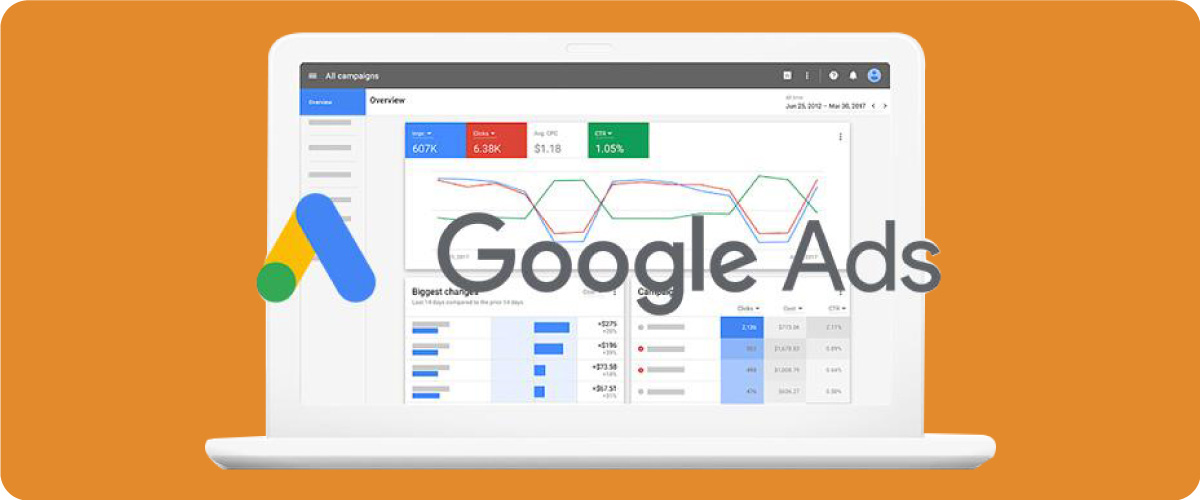
Google Ads, formerly Google AdWords, is a powerful tool that allows businesses to reach potential customers online. With Google Ads, businesses can create ads on Google search results pages, YouTube, and other websites within the Google network. In this article, we'll cover everything you need to know about Google Ads, from its basics to advanced strategies for maximizing your ad campaign's success.
How does Google Ads work?
Advertisers bid on keywords; the highest bidder gets their ad displayed first. However, Google also considers the ad's relevance and quality, not just the bid amount, to determine which ads get displayed.
Why use Google Ads?
Google Ads offers a range of benefits for businesses, including:
Reach: With Google Ads; businesses can reach a vast audience of potential customers actively searching for products or services related to their business.
- Control: Advertisers have complete control over their ad campaign, including the budget, targeting, and ad copy.
- Measurability: Google Ads provides detailed metrics and analytics, so businesses can track the performance of their ads and make data-driven decisions.
- Flexibility: Ads can be customized to fit any budget and turned on or off anytime.
Types of Google Ads
There are several different types of ads available on Google Ads, including:
- Search ads: These ads appear at the top of Google search results pages and are triggered by specific keywords.
- Display ads appear on websites within the Google Display Network, including millions of websites and apps.
- Shopping ads: These ads showcase products from an online store and appear at the top of Google search results pages when someone searches for a specific product.
- Video ads appear on YouTube and other websites within the Google Display Network.
- App ads: These ads promote mobile apps and appear on Google search results pages, Google Play, YouTube, and other apps within the Google network.
Setting up a Google Ads campaign
- To set up a Google Ads campaign, businesses need to follow these steps:
- Create an account on Google Ads
- Choose the type of campaign they want to run
- Set a budget for the campaign
- Choose to target options, such as location, demographics, and interests
- Create ad groups with specific keywords and ad copy
- Launch the campaign
- Optimizing a Google Ads campaign
Businesses must continually optimize their ads and targeting to get the most out of a Google Ads campaign.
Some optimization tips include:
- Conduct keyword research to find relevant and high-performing keywords
- Test different ad copies to see which performs best
- Use negative keywords to prevent irrelevant clicks
- Measuring Success with Google Ads
Google Ads provides detailed metrics and analytics, so businesses can track the performance of their ads and make data-driven decisions.
Some key metrics to track include:
- Click-through rate (CTR): The percentage of people who click on an ad after seeing it.
- Cost per click (CPC): The amount businesses pay for each click on their ad.
Ad Extensions
Ad extensions are a feature that allows you to provide more information to potential customers about your business. These extensions can appear below your ad or to the right of it, and they include things like site links, call extensions, and location extensions.
Site links are additional links to specific pages on your website that may be relevant to the search term. Location extensions show your business's location on a map, making it easier for people to find you.
Quality Score
Quality Score is a metric used by Google to determine the quality and relevance of your ads and keywords. The higher your Quality Score, the lower your cost per click and the better your ad position.
The factors contributing to Quality Score include click-through rate, ad relevance, and landing page experience. Optimizing these factors can improve your Quality Score and save money on your ad campaigns.
Ad Auction
The auction occurs whenever someone searches for a keyword that triggers your ad.
The factors determining your ad's position in the auction include your bid, ad quality, and expected impact from ad extensions and other ad formats. By understanding how the ad auction works, you can create ads more likely to be shown to potential customers.
Ad Formats
Google Ads offers a variety of ad formats to choose from, including text ads, image ads, video ads, and more. Each ad format has strengths and weaknesses; choosing the correct format for your campaign is critical to its success.
Text ads are the most common ad format and appear as a headline and two lines of text. Image ads include a visual component, such as a graphic or photograph. Video ads allow you to tell a story and engage with potential customers more dynamically.
Conversion Tracking
Conversion tracking is a feature that allows you to track the actions people take after clicking on your ad, such as making a purchase or filling out a form. By setting up conversion tracking, you can measure the success of your ad campaigns and make data-driven decisions about how to optimize them.
To set up conversion tracking, you'll need to create a conversion action, such as a purchase or form submission, and place a conversion tracking tag on the corresponding page of your website. Once you've set up conversion tracking, you can view data on your conversions in your Google Ads account.
Content Marketing:
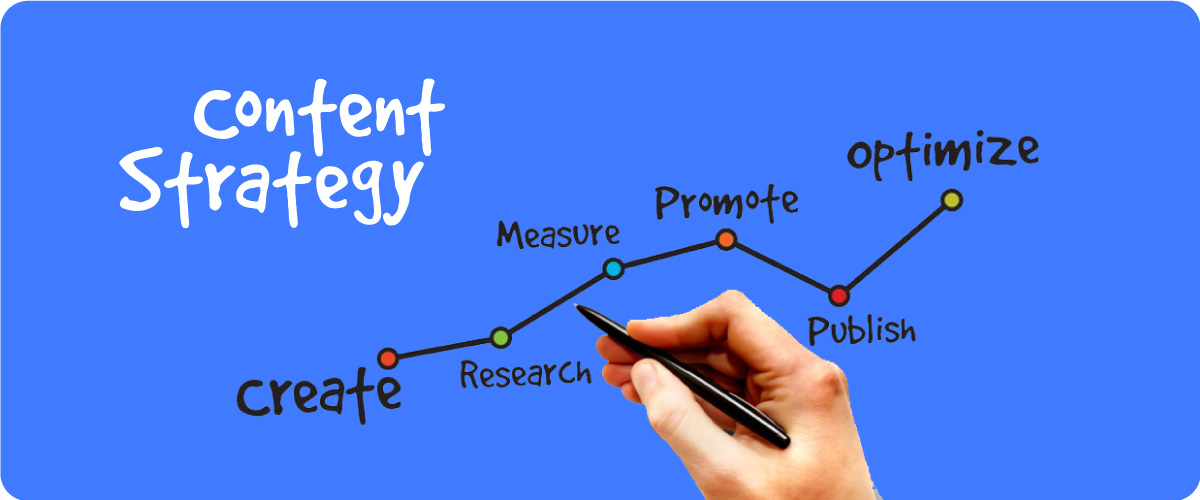
Content marketing is essential for several reasons:
- Build brand awareness and establish your brand as an authority in your industry.
- Drive traffic to your website and improve your search engine rankings.
- Build a loyal customer base to promote your brand through word-of-mouth marketing.
What are the benefits of content marketing?
The benefits of content marketing are numerous:
- Build trust with your audience by providing valuable and informative content.
- Establish your brand as an authority in your industry, leading to increased sales and customer loyalty.
- Generate leads and convert them into customers.
- Improve your search engine rankings and drive more traffic to your website.
What are the different types of content marketing?
Many types of content marketing exist, including blog posts, social media posts, videos, infographics, ebooks, podcasts, and more. The type of content that you create will depend on your target audience, your marketing goals, and your resources.
What are the critical components of a successful content marketing strategy?
A successful content marketing strategy should include the following key components:
- Clearly defined target audience
- The well-defined content marketing goal
- Content creation plan
- Content distribution plan
- Way to measure the success of your content marketing efforts
How do you create effective content?
It would help to understand your target audience to create compelling content. Once you clearly understand needs, interests, and pain points, you can create content that addresses those issues. Your content should be informative, engaging, and easy to read. Use visuals like images and videos to make your content more appealing.
How do you distribute your content?
There are many ways to distribute your content, including social media, email marketing, guest posting, and more. Choosing the most effective channels for your target audience and marketing goals is vital. You should also optimize your social media, email, or blog channel content.
How do you measure the success of your content marketing efforts?
To measure the success of your content marketing efforts, you need to track key metrics such as website traffic, social media engagement, and lead generation. You should also track your return on investment (ROI) to determine whether your content marketing efforts generate a positive ROI.
What are some common mistakes to avoid in content marketing?
Some common mistakes to avoid in content marketing include the following:
- Creating content that is too sales-focused.
- Need help to understand your target audience?
- Not optimizing your content for search engines.
- Not measuring the success of your content marketing efforts.
FAQ
How can businesses measure the success of their online marketing efforts?
Businesses can measure the success of their online marketing efforts by tracking key performance indicators like website traffic, engagement metrics (likes, comments, shares), conversion rates, and revenue. They can also use tools like Google Analytics and social media analytics to gain insights into their audience's behaviour and preferences.
What are some common online marketing strategies?
Some common online marketing strategies include search engine optimization (SEO), social media marketing, content marketing, email marketing, and pay-per-click (PPC) advertising. Each strategy has unique strengths and can be tailored to meet a business's specific goals and target audience.
How can businesses stay up-to-date with the latest online marketing trends?
Businesses can stay up-to-date with online marketing trends by regularly following industry blogs, attending conferences and webinars, and networking with other professionals. They can also subscribe to industry newsletters and online publications and invest in ongoing training and education for their marketing teams.
What is the difference between inbound and outbound marketing?
Inbound marketing focuses on creating valuable content and experiences that attract and engage potential customers. It includes tactics like content marketing, search engine optimization (SEO), and social media marketing. On the other hand, outbound marketing is a more traditional approach that involves reaching out to potential customers directly through tactics like advertising, cold calling, and direct mail. In general, inbound marketing is more effective and cost-efficient than outbound marketing, allowing businesses to build long-term relationships with their audience.
What is social media marketing, and how does it work?
Social media marketing involves promoting a business or brand through social media platforms like Facebook, Twitter, and Instagram. It works by leveraging the social networks' reach and engagement features to connect with potential customers and build brand awareness. Social media marketing can include a range of tactics, including organic posting, paid advertising, influencer marketing, and social media contests and promotions.
What is content marketing, and why is it important?
It can include blog posts, articles, infographics, videos, and more. Content marketing is essential because it allows businesses to build trust and authority with their audience, drive website traffic and leads, and improve search engine rankings.
How can businesses improve their search engine rankings?
Businesses can improve their search engine rankings through tactics like keyword research, on-page optimization, link building, and technical SEO. It involves optimizing their website's content, structure, and code to make it more attractive to search engines like Google. They can also invest in paid search advertising through platforms like Google Ads to drive additional traffic to their site.

Author Sachin Gupta - Digital Marketing Consultant
Website: www.sachingupta.in
Read More: About Sachin Gupta


